




Africa Marble: Born in the Wilderness, Forged from Raw Strength
.jpg)
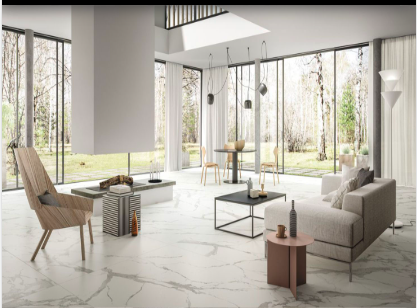
White marble has long been associated with refinement and restraint, yet its true value lies far deeper than surface beauty. In Africa, some of the world’s most compelling Kilimanjaro white marble is formed within ancient geological belts, landscapes shaped by time and elemental forces. It is here, within remote and demanding terrains, that marble of rare strength and clarity emerges.
Angelo white marble is defined by its structural integrity as much as its visual calm. It is dense and resilient, qualities essential for contemporary architectural applications where scale and performance are non-negotiable. Its whiteness is composed: luminous bases, controlled movement, and a depth that reveals itself gradually under light. This balance between strength and subtlety is what sets African marble apart.

Why African White Marble Is Gaining Ground
Across global design and construction markets, the demand for white marble has intensified, but so has scrutiny. Architects and designers are no longer seeking beauty alone; they are seeking reliability and consistency. Angelo fiore marble very well answers this shift, with geological maturity that lends the stone higher density and durability. Consistency across blocks allows for confidence in large-scale architectural use. Refined visual character which aligns with the global move toward restrained, timeless aesthetics rather than ornamental excess.
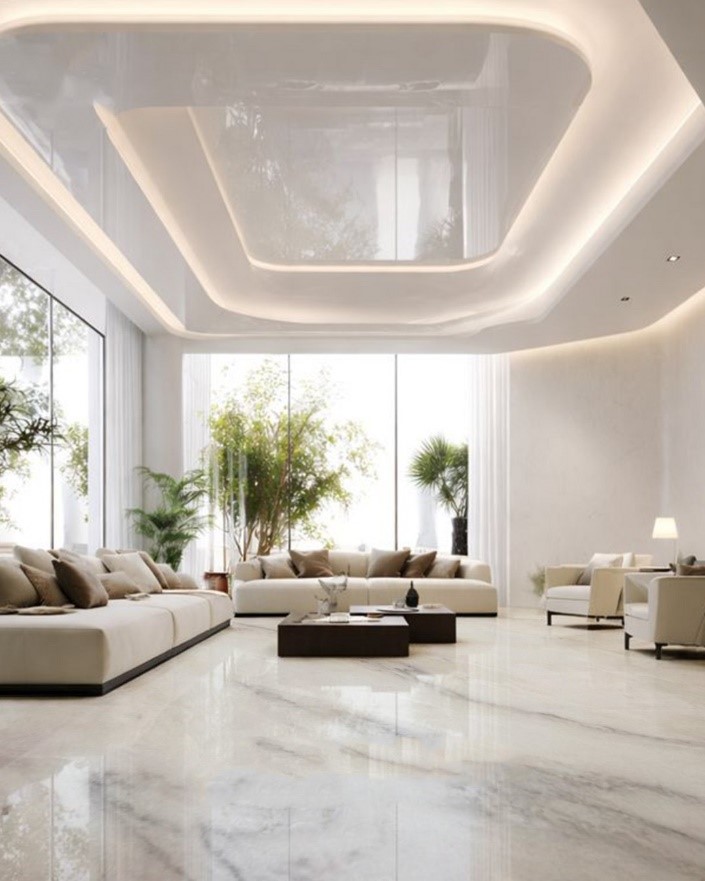
As established Kilimanjaro white marble sources face limitations in scale and predictability, Africa has emerged as a region capable of supporting long-term demand without compromising on quality.
A-Class Marble: Leading with Ownership and Control
Within this evolving landscape, A-Class Marble stands apart as a custodian of marble. The brand’s presence in Africa is rooted in ownership of its own quarries, a deliberate decision that allows complete control over selection, extraction, prosessing and consistency.
This approach ensures that marble is evaluated not only for its appearance at the quarry face, but for how it will perform years after installation. Density, internal structure, hardness and batch uniformity are assessed with the same rigour as colour and movement. It is this discipline that enables A-Class Marble to offer white marble suited to demanding architectural environments.
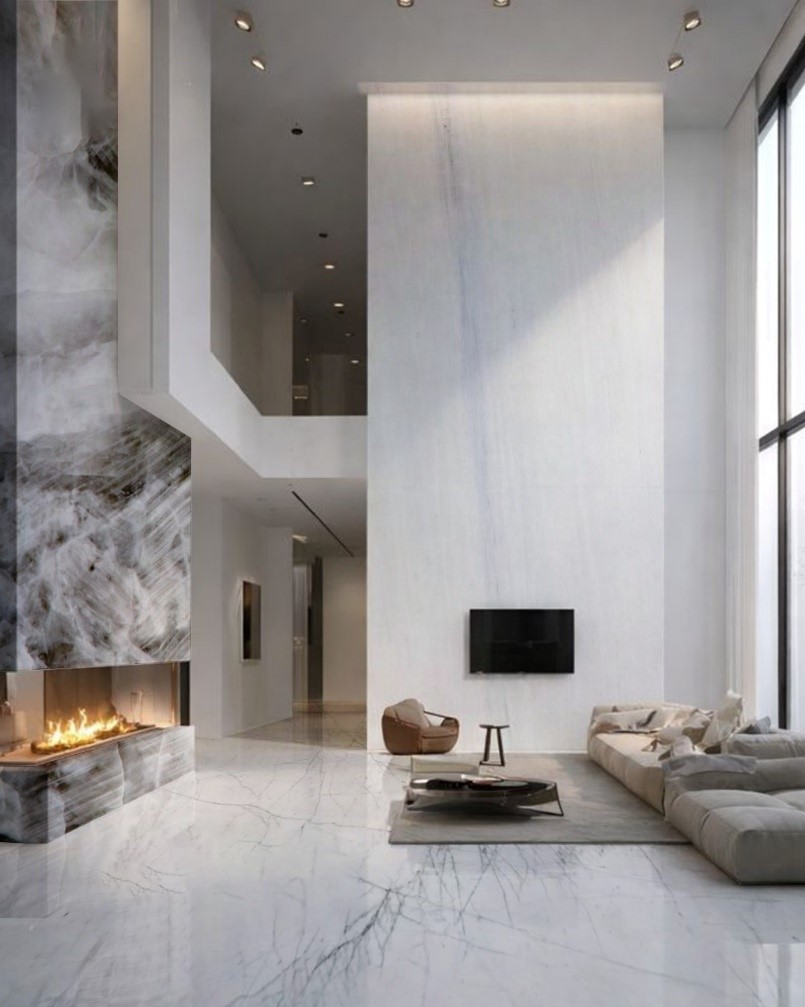
From its African quarries emerge Angelo White and Angelo Fiore marble that reflect the continent’s raw geological strength while embodying refinement. Each variety is defined not by excess patterning, but by balance: strength beneath the surface, calm on display.
.jpg)
Industry Leadership Through Rigour
A-Class Marble’s leadership is not expressed through scale alone, but through standards. By investing directly in quarry ownership and long-term sourcing, the brand provides architects and designers with material they can trust, marble that performs consistently, and ages with dignity. In an industry where uncertainty in material quality can compromise design intent, this level of control has become increasingly valuable. Kilimanjaro white marble represents a new chapter in the global stone narrative, one shaped by geological force and refined through careful human judgment. Born in the wilderness and forged under immense pressure, it carries a quiet strength that resonates with contemporary architecture. Through its disciplined approach and stewardship of African quarries, A-Class Marble continues to define what white marble can be today: restrained and built to endure.


Sitemap
- Newsletter
- Catalouge
- Gallery
- Legal & Privacy
- Career
- Share
- Media
- News & Events
- Press Coverage
- Blogs
- Awards
- Signature
- Bianco Snow White
- Bronze Amani
- Afyon White
- Jasper Gold
- Kilimanjaro white
- Mexican Gold
- Statuario
- Pristine
- Pink Michel Angelo
- Ariston white
- Bianco Covelano
- WHITE CHIANTE
- Carrara white
- Lilac White
- Blue o Bisuai
- Classique
- Royal Crema
- SARDANIYA BEIGE
- Perlato Royal
- Extra Light
- Imperial Beige
- Light Emperador
- De Martino
- Virtual Applicator
- Kitchen
- Bathroom
- Bedroom
- Clientele
- Clients
- Testimonial
- Melange
- Sequia Brown
- Amazing silver
- Pisato
- Enigma
- Metal Rust
- Moroccan Black
- Nsl Black
- Umber
- BEIGE TRAVERTINO
- TITANIUM TRAVERTINO
- SILVER TRAVERTINO
- Exotica
- Azul Pink
- Azul Macaubas
- Azul Skyline
- Opera
- Zade Green onyx
- zebra onyx
- Sunrise Onyx
- Bejewel
- Smokey Quartz
- Rose Quartz
- Red Agate
- Avant Garde
- maxican wave
- Matrix hydro finish
- Bianco Moon Face
