




From Minimal to Monumental: The Versatility of Kilimanjaro White
.jpg)
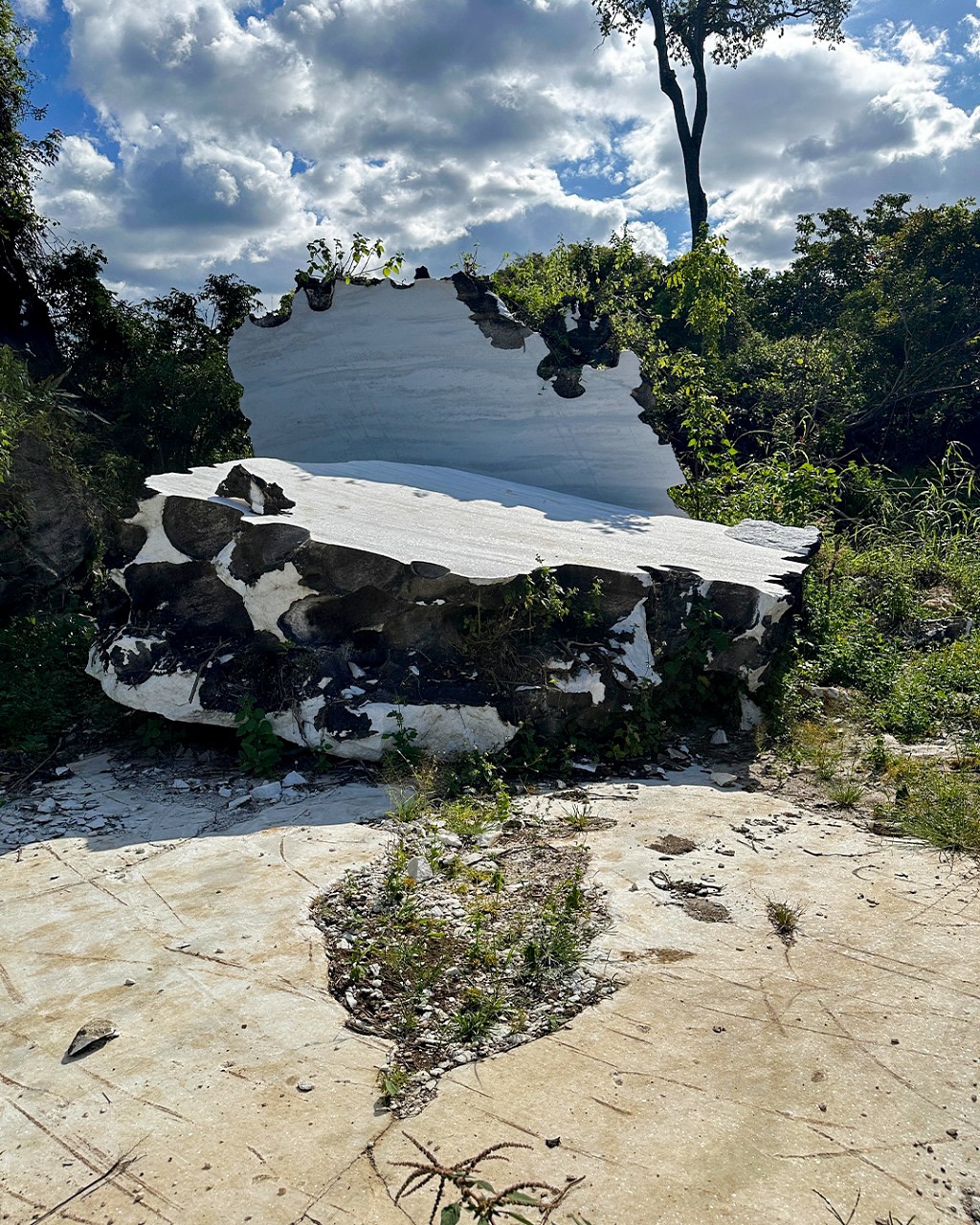
Kilimanjaro White is born from the heart of East Africa, where untouched landscapes meet geological wonder. Inspired by the majestic Mount Kilimanjaro, this marble brings a touch of nature’s purity and strength, creating a perfect foundation for exceptional design.
Design constantly negotiates contrasts between light and shadow, restraint and excess, structure and flow. And few materials carry this dialogue as fluently as Kilimanjaro White.
Carved from the earth and refined by craft, it stands as one of those rare stones that adapt seamlessly, from the calm restraint of minimalism to the expressive energy of monumental design.

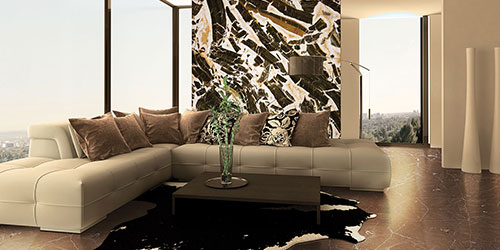
The Minimalist Lens: Where Silence Speaks
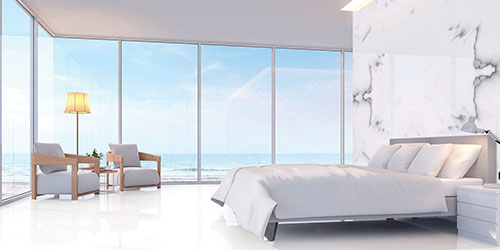
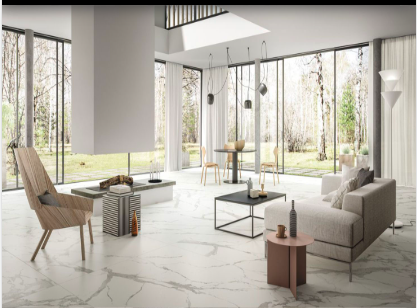
In a world increasingly drawn to quiet spaces, the appeal of white marble lies in its ability to absorb and diffuse light, creating a serene atmosphere. Kilimanjaro White enhances this serenity with its subtle play of grey and refined surface movement.
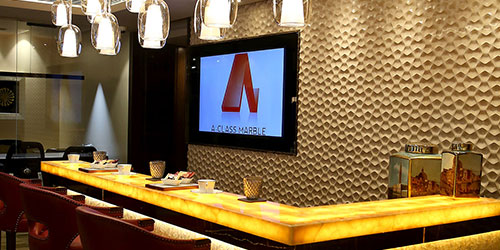
When used in marble flooring, tabletops, or wall cladding, it establishes visual rhythm without cluttering the space. Designers often describe it as a material that “breathes”, allowing the architecture to feel open and uninterrupted.
Paired with pale oak, brushed nickel, or textured linen, it creates interiors that feel contemplative and measured.
.jpg)
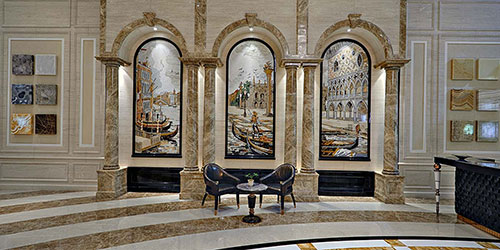
The Monumental Frame: When Scale Becomes Emotion
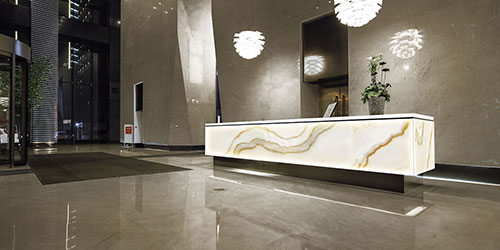
Shift the scale, and the same marble reveals another personality. Across double-height lobbies, sculptural staircases, and gallery walls, Kilimanjaro White transforms into a dramatic architectural force. Its natural density and vein composition lend themselves to grand surfaces that hold form and shadow beautifully.
Architects often pair it with Statuario Marble, Calacatta Marble, or Travertine Marble to create layered expressions of stone, one that balances raw geology with modern geometry.
Here, the material becomes not a background, but a protagonist. It holds energy, volume, and permanence, the kind of power that allows a space to feel both grounded and alive.
In many ways, Kilimanjaro White redefines what a natural stone can do in contemporary design; it doesn’t just add beauty to architecture; it deepens its story.
Between the Two: The Designer’s Playground
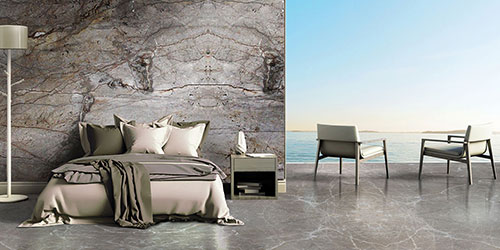
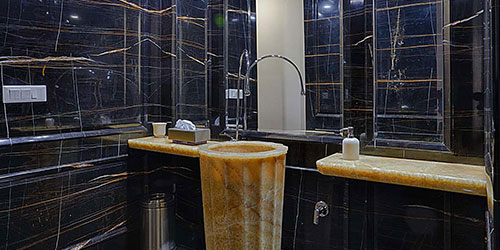
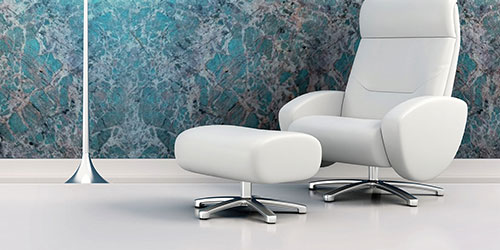
The strength of Kilimanjaro White lies in its in-between nature. It can soften industrial spaces with warmth, or anchor organic interiors with definition. Its neutral undertones make it compatible with Beige Marble, Grey Marble, and even the iridescent Blue Onyx Marble for projects that demand visual harmony across contrasting materials.
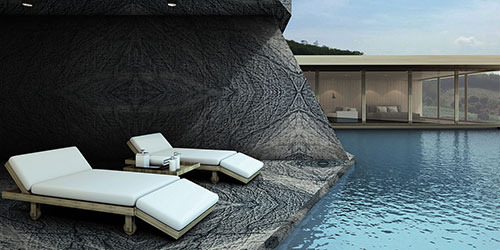
In luxury residences, architects use it to bridge transitions, from floor to wall, from indoors to outdoors, creating a continuum of texture and tone.
In hospitality spaces, it becomes a unifying skin that adapts to light and mood, allowing design elements to shift seamlessly between intimacy and grandeur.
This adaptability is why many architects and clients consider it among the best marble, offering both versatility and endurance across design styles.
The Power of Finish: Transforming Texture and Perception
The surface finish can entirely transform how Kilimanjaro White feels, both visually and tactually.
A polished finish heightens its reflectivity, emphasising its crystal-like surface, ideal for luxury lobbies and formal spaces.
A honed finish, on the other hand, softens its character, muting reflections to reveal a matte, velvety texture that is perfect for modern interiors seeking calm over shine.
For exteriors, leathered or sandblasted finishes introduce subtle texture and grip, allowing the marble to engage with natural light in dynamic ways.
Each finish alters not just the surface, but the story it tells, from sleek sophistication to organic tactility, proving that material expression doesn’t end at selection; it begins with treatment.
The Light Dialogue: When Stone Meets Illumination
Few materials respond to light as intuitively as marble. The crystalline structure of Kilimanjaro White refracts light within its body, creating a diffused glow that feels almost atmospheric.
Under daylight, it appears cooler and more linear, emphasising its natural crystal-like surface. Under warm artificial lighting, it reveals a subtle golden undertone, enhancing its presence and warmth.
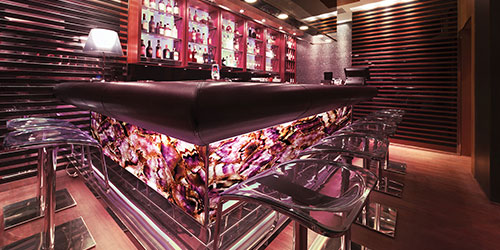
Designers often use this quality to define mood, aligning light and material to shape how a space feels through the day. In minimalist homes, indirect cove lighting on marble walls creates depth and softness. In monumental spaces, grazing light emphasises the stone’s topography, turning every shadow into texture.
Understanding how light interacts with marble isn’t just about aesthetics; it’s about design intelligence. It transforms static material into a living surface that shifts with time and atmosphere.
The Larger Idea: A Material That Adapts to Imagination
What defines a truly remarkable material is not how it looks, but how it behaves, how it responds to scale, to light, to human touch.
Kilimanjaro White embodies that intelligence. It’s minimal when you want stillness, monumental when you seek presence. It invites experimentation, to carve, to polish, to pair, to explore.
In every form, it reflects the evolving language of design, one that values honesty, tactility, and the poetry of natural stone.
Because when a material can shift from quiet to commanding without losing its character, it isn’t just part of the architecture — it becomes part of its emotion.


Sitemap
- Newsletter
- Catalouge
- Gallery
- Legal & Privacy
- Career
- Share
- Media
- News & Events
- Press Coverage
- Blogs
- Awards
- Signature
- Bianco Snow White
- Bronze Amani
- Afyon White
- Jasper Gold
- Kilimanjaro white
- Mexican Gold
- Statuario
- Pristine
- Pink Michel Angelo
- Ariston white
- Bianco Covelano
- WHITE CHIANTE
- Carrara white
- Lilac White
- Blue o Bisuai
- Classique
- Royal Crema
- SARDANIYA BEIGE
- Perlato Royal
- Extra Light
- Imperial Beige
- Light Emperador
- De Martino
- Virtual Applicator
- Kitchen
- Bathroom
- Bedroom
- Clientele
- Clients
- Testimonial
- Melange
- Sequia Brown
- Amazing silver
- Pisato
- Enigma
- Metal Rust
- Moroccan Black
- Nsl Black
- Umber
- BEIGE TRAVERTINO
- TITANIUM TRAVERTINO
- SILVER TRAVERTINO
- Exotica
- Azul Pink
- Azul Macaubas
- Azul Skyline
- Opera
- Zade Green onyx
- zebra onyx
- Sunrise Onyx
- Bejewel
- Smokey Quartz
- Rose Quartz
- Red Agate
- Avant Garde
- maxican wave
- Matrix hydro finish
- Bianco Moon Face
