


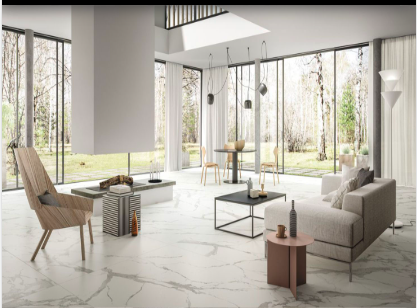


From Quarry to Gallery: How Marble Transitions from Material to Art Object
A Material Shaped by Time
White marble emerges from the metamorphosis of limestone under intense heat and pressure; it develops its density and crystalline structure over millions of years. Mineral composition determines undertones, colour clarity, veining, and translucency, qualities that much later influence how artists and designers approach the stone.
Because highly refined white marble occurs in relatively limited geological conditions, it has long been associated with cultural value and artistic ambition, appearing across ancient Mediterranean civilisations and later throughout Renaissance Europe.
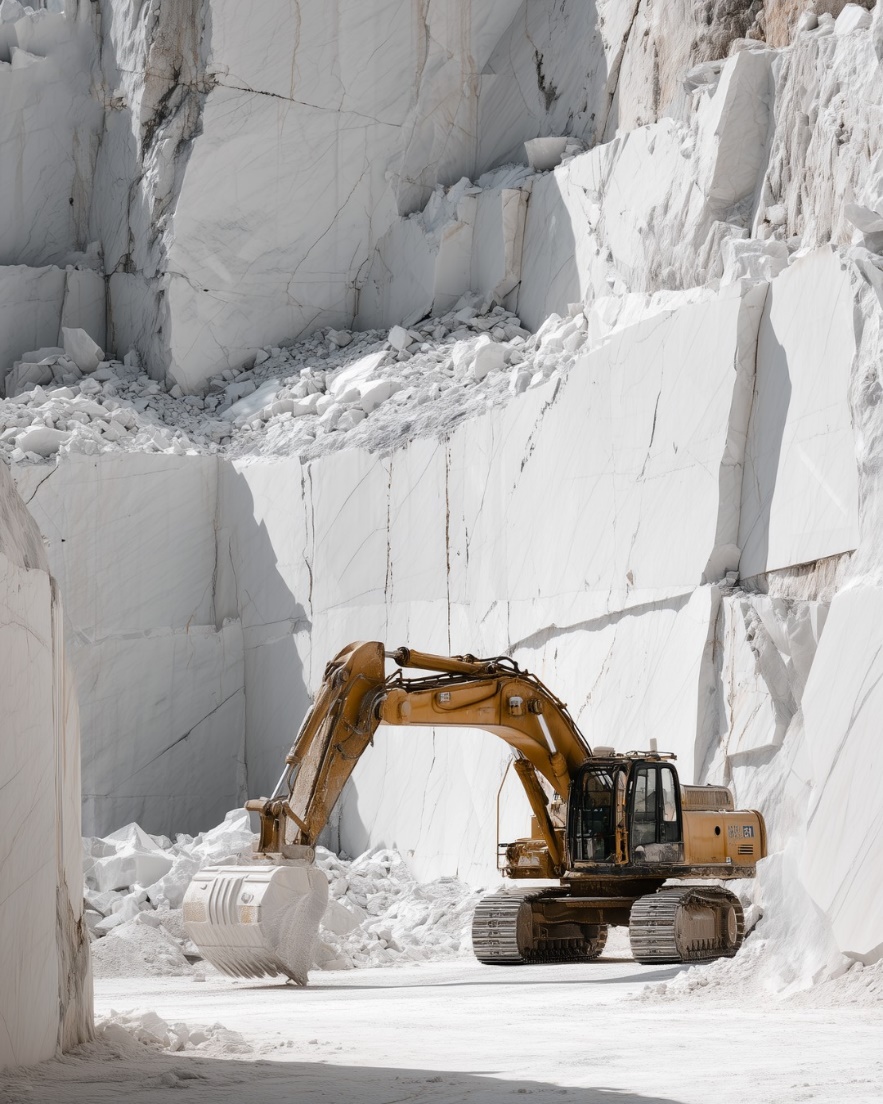
Quarrying: The First Human Intervention
Extraction marks marble’s first transition from natural formation to human engagement. Quarrying requires careful reading of fissures, tonal variation, and structural integrity to determine how blocks can be removed without compromising their internal stability.
Blocks are separated with precision, as early decisions influence future carving and installation possibilities. Density, strength, grain, and visual continuity guide whether a piece is suited for sculpture, architectural use, or experimental design work. At this stage, marble begins to move from a raw resource to a creative material.
The Sculptural Legacy of White Marble
White marble has been central to sculptural practice for centuries, revealing form through subtraction. Greek artists valued its fine grain for detailed anatomical work, Roman sculptors expanded its use in monumental forms, and Renaissance masters such as Michelangelo refined carving into a deeply philosophical process.

These traditions established marble as an active participant in artistic creation. Sculptors often respond to the material’s resistance and internal patterns, allowing the stone’s natural qualities to influence the final outcome. Even in contemporary studios, hand-finishing remains an essential step, maintaining a direct physical connection between artist and material.
Contemporary Interpretations: Expanding the Language of Stone
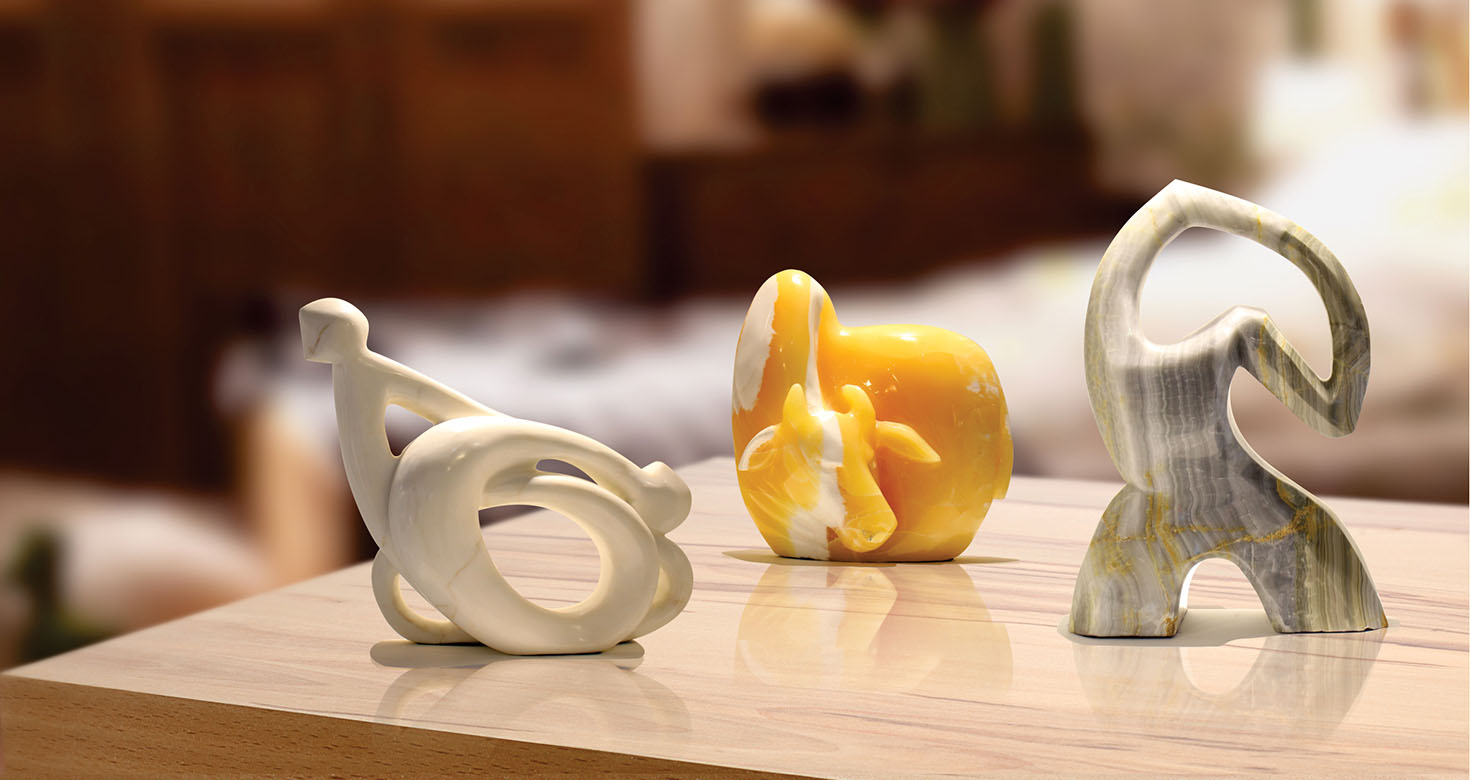
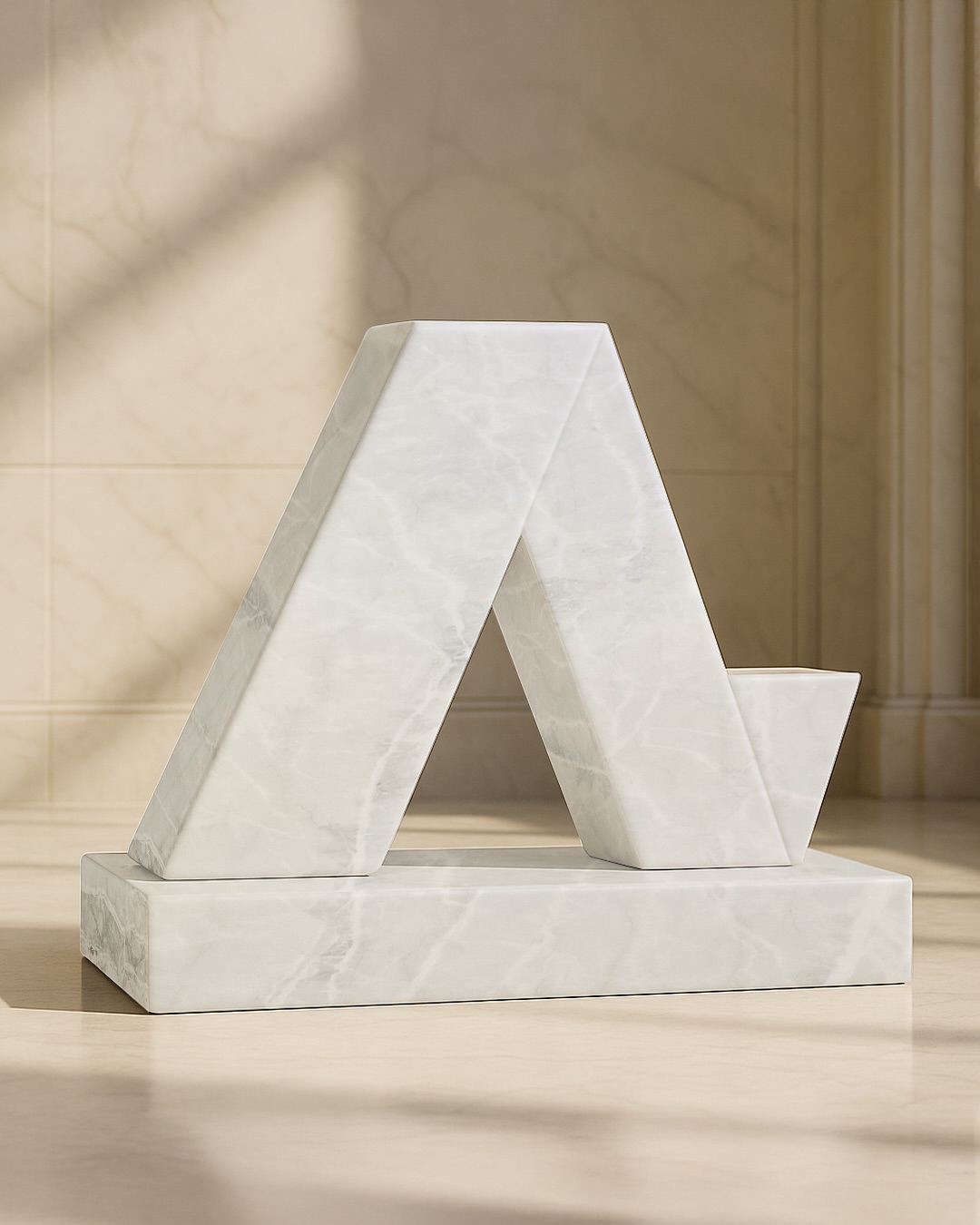
Today’s artists and designers increasingly explore marble beyond figurative sculpture. Abstract geometries and spatial installations demonstrate how stone can function simultaneously as object and environment. Digital fabrication technologies such as CNC milling and robotic carving have introduced new levels of precision, enabling complex forms while still requiring adaptation to marble’s natural variation. Designers frequently
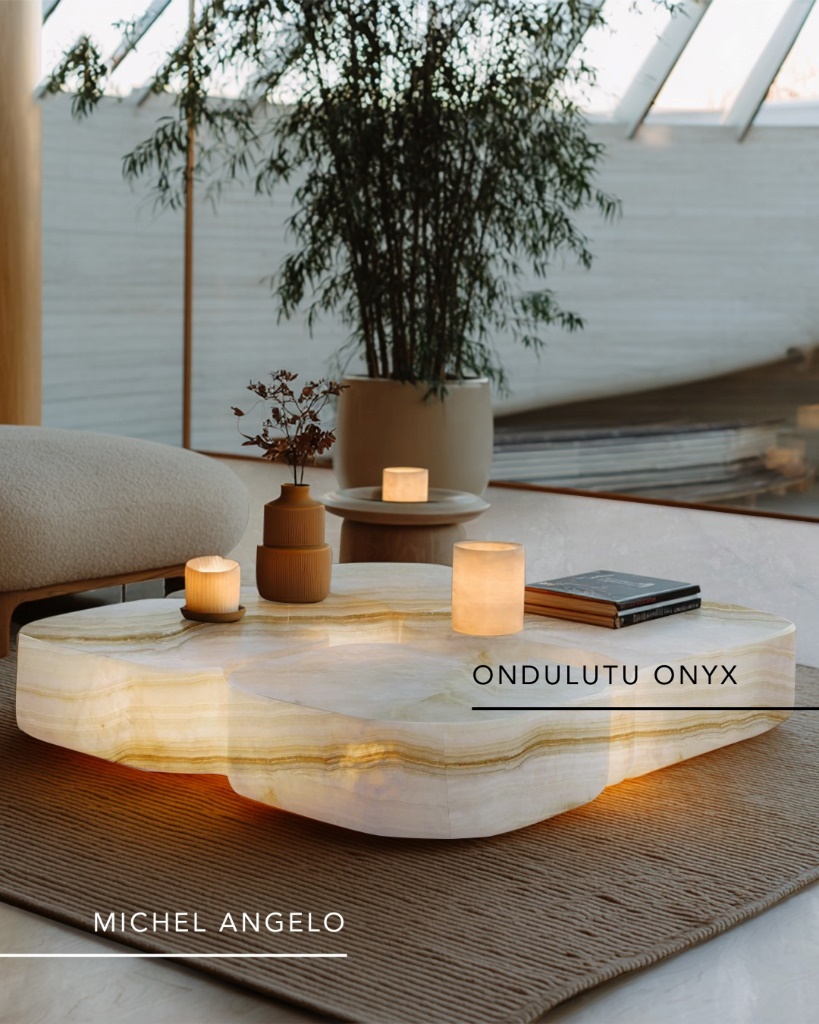
embrace tonal shifts and organic irregularities, treating them as integral elements rather than flaws to be concealed.
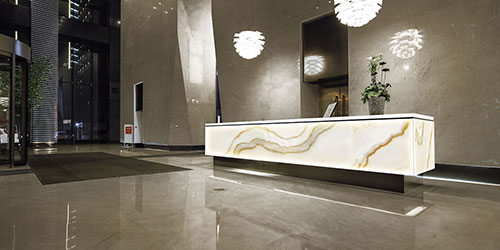
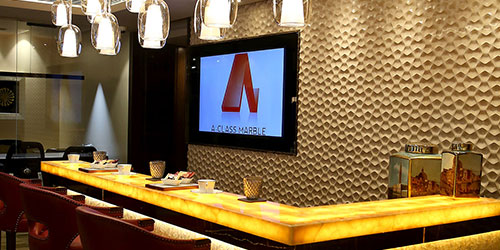
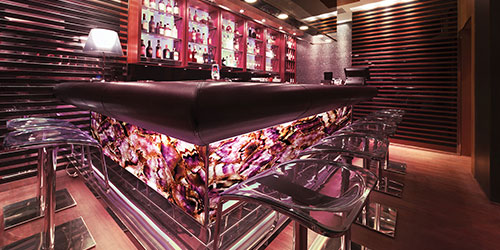
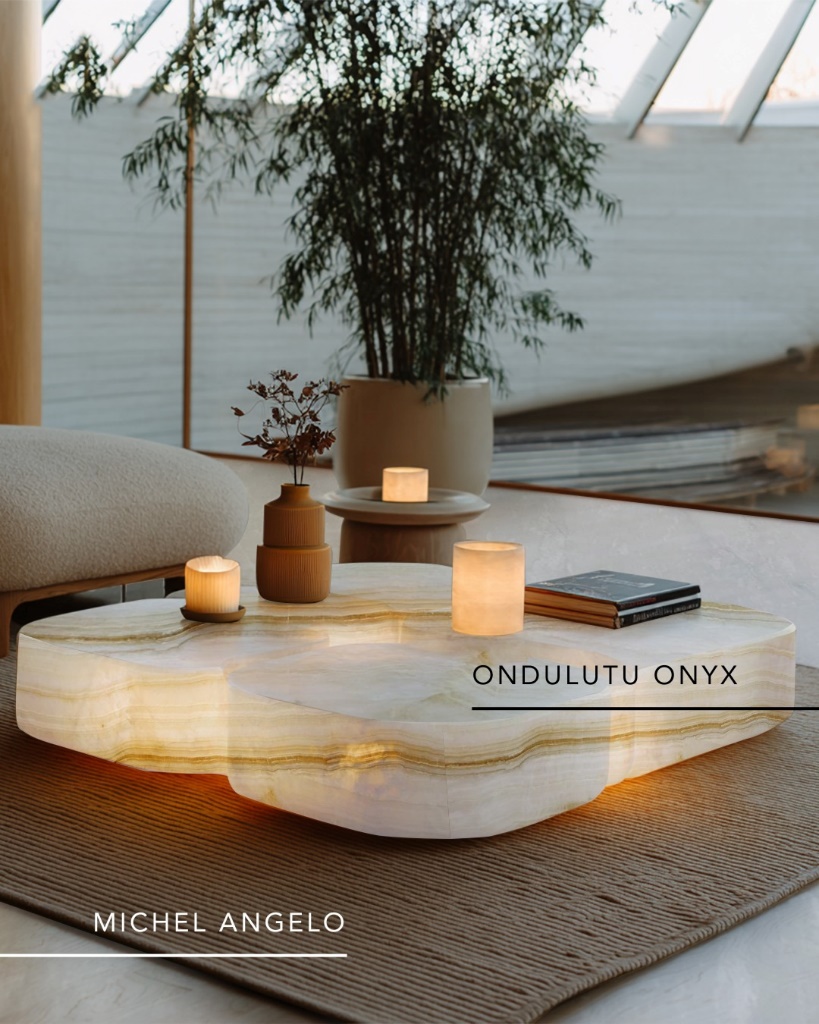
In contemporary architecture, marble often moves beyond cladding into sculptural elements that shape how spaces are experienced. Carved staircases, monolithic counters, and freestanding partitions influence movement and perception.
White marble’s ability to diffuse light creates a sense of visual continuity, while its mass introduces a grounded physical presence. In galleries and cultural institutions, marble becomes a material focal point, encouraging stillness and awareness of craft.
Material, Craft, and Meaning
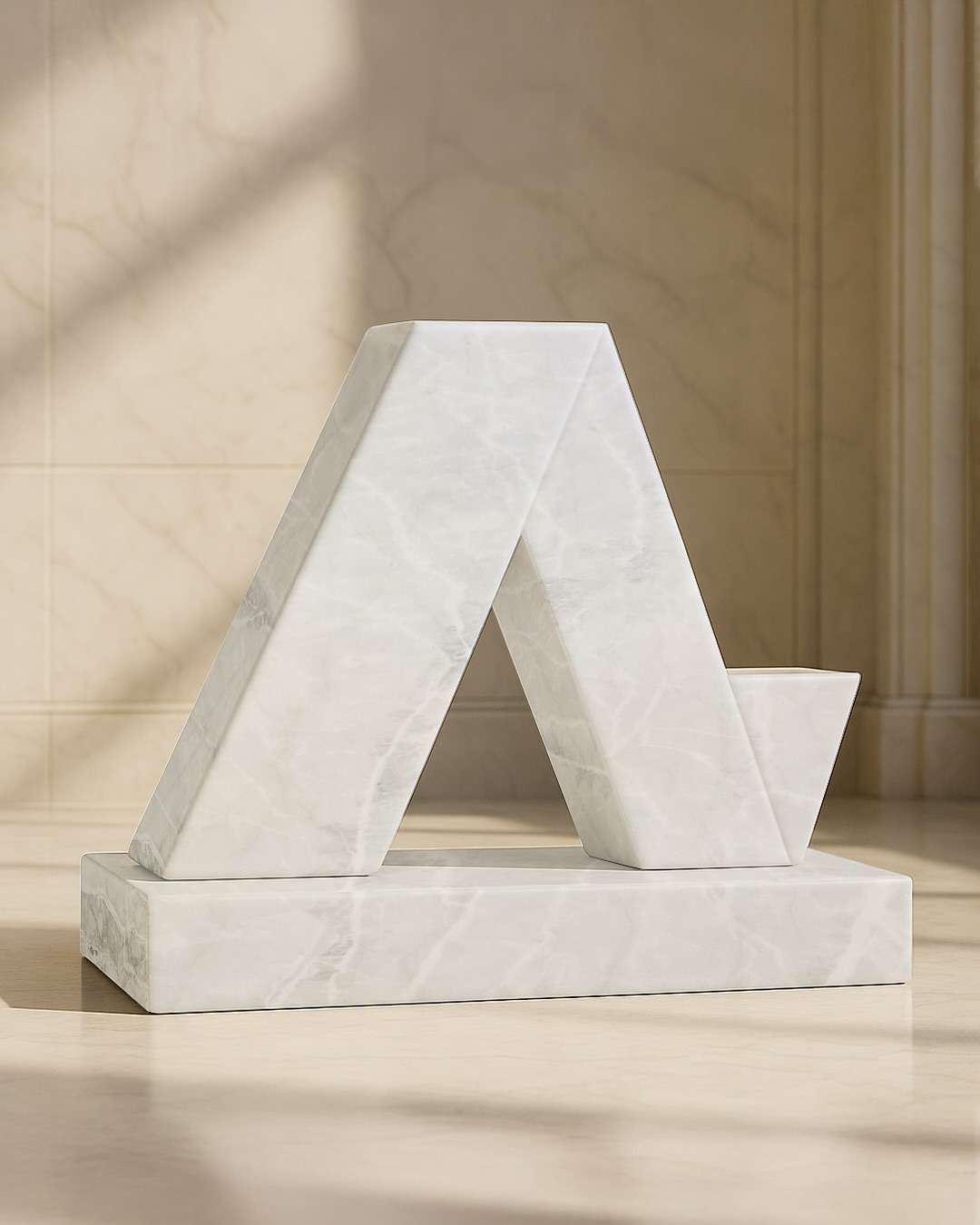
The evolution from quarry block to finished object reflects a layered exchange between natural formation and human skill. Extraction, carving, fabrication, and installation each contribute to how the stone is ultimately perceived and experienced. Natural veining records geological movement, while tool marks reveal human intervention. Over time, surfaces change subtly through use and exposure, allowing the material to accumulate lived experience without losing structural integrity.
Marble artworks and architectural elements frequently outlast the eras in which they were created, maintaining relevance across generations. Its durability and adaptability allow it to shift between cultural contexts while preserving its material identity. The transition from stone to art object demonstrates how a material rooted in deep geological history can continue to evolve through design, craftsmanship, and interpretation, linking natural processes with contemporary creative expression.


Sitemap
- Newsletter
- Catalouge
- Gallery
- Legal & Privacy
- Career
- Share
- Media
- News & Events
- Press Coverage
- Blogs
- Awards
- Signature
- Bianco Snow White
- Bronze Amani
- Afyon White
- Jasper Gold
- Kilimanjaro white
- Mexican Gold
- Statuario
- Pristine
- Pink Michel Angelo
- Ariston white
- Bianco Covelano
- WHITE CHIANTE
- Carrara white
- Lilac White
- Blue o Bisuai
- Classique
- Royal Crema
- SARDANIYA BEIGE
- Perlato Royal
- Extra Light
- Imperial Beige
- Light Emperador
- De Martino
- Virtual Applicator
- Kitchen
- Bathroom
- Bedroom
- Clientele
- Clients
- Testimonial
- Melange
- Sequia Brown
- Amazing silver
- Pisato
- Enigma
- Metal Rust
- Moroccan Black
- Nsl Black
- Umber
- BEIGE TRAVERTINO
- TITANIUM TRAVERTINO
- SILVER TRAVERTINO
- Exotica
- Azul Pink
- Azul Macaubas
- Azul Skyline
- Opera
- Zade Green onyx
- zebra onyx
- Sunrise Onyx
- Bejewel
- Smokey Quartz
- Rose Quartz
- Red Agate
- Avant Garde
- maxican wave
- Matrix hydro finish
- Bianco Moon Face
