







How to Remove Stains from Italian Marble?
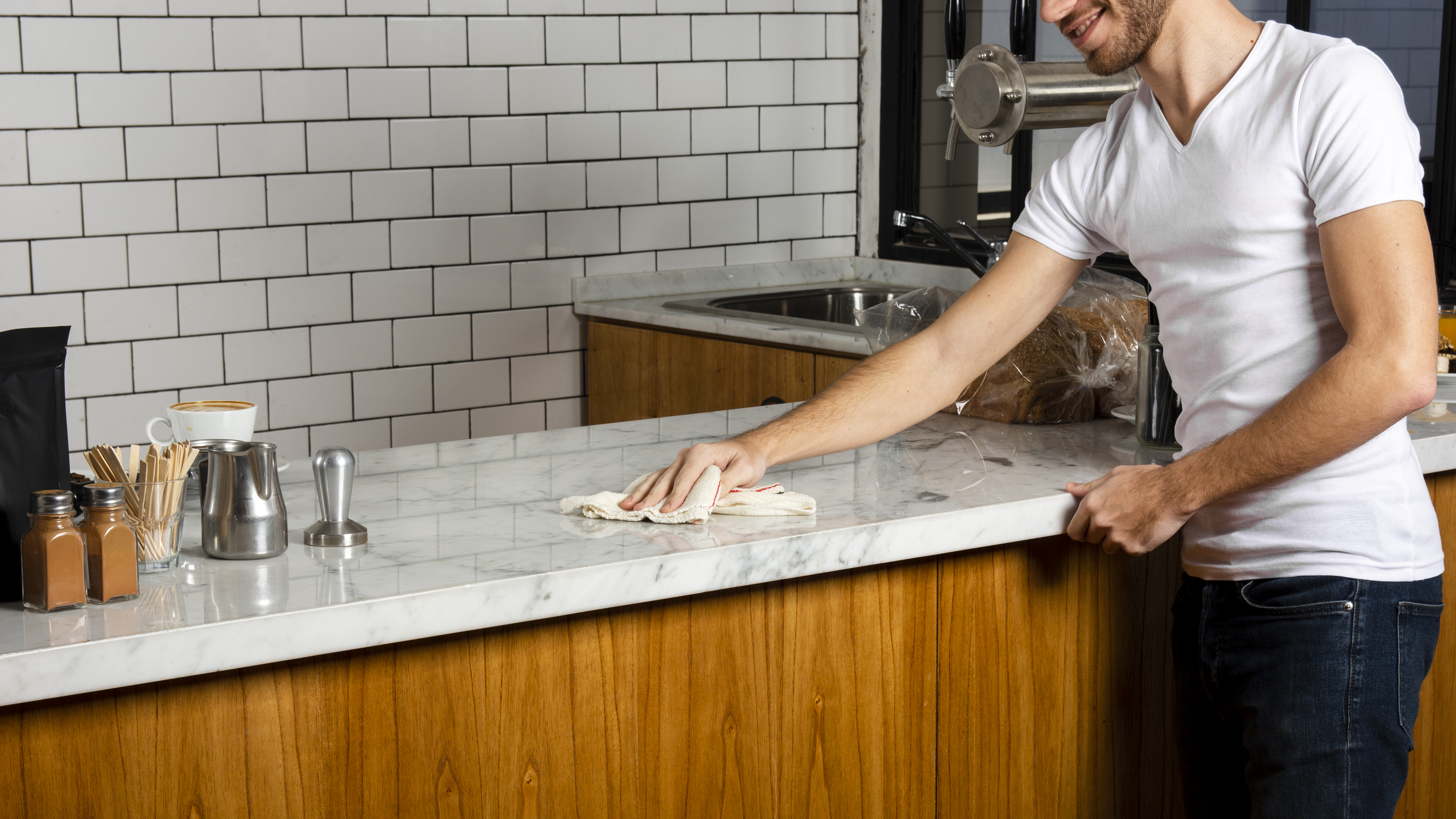
Italian marble is flesh and blood, beauty, elegance, and eternity. From white Carrara to Calacatta gold-veined, the material graces floors, countertops, and walls in homes and offices everywhere. Beautiful as it is, though, Italian marble is porous and sensitive—i.e., it stains when handled roughly.
Whether you've spilt red wine onto your marble kitchen counter, rust stains are cropping up around the bathroom sink, or oil spots are surfacing in the kitchen, stains are a nightmare. Don't worry, though—this step-by-step guide will walk you through the removal of stains on Italian marble using safe, simple, and effective techniques.
Why Is Italian Marble So Susceptible to Staining?
Let's begin by exposing how stains form on Italian marble:
- Porosity: The marble is permeable itself. Wine, coffee, or oil can penetrate and stain.
- Chemical Sensitivity: The marble also responds to acidic substances such as lemon juice, vinegar, or abrasive chemicals.
- Polished Surface: Even though the polished marble feels so smooth, it will emphasise even a small pimple or one mark.
That is why frequent cleaning and sealing are necessary for your Italian marble surfaces.
Types of Common Stains on Italian Marble
Different stains require different removal methods. Here’s a quick look at the most common types:
|
Type of Stain |
Examples |
Common Locations |
|
Organic Stains |
Coffee, tea, food, wine, leaves |
Kitchen, dining, balconies |
|
Oil-Based Stains |
Cooking oil, milk, cosmetics |
Kitchen countertops, bathrooms |
|
Rust Stains |
Metal furniture, cans, tools |
Bathrooms, balconies |
|
Water Stains |
Hard water deposits, rings |
Bathrooms, kitchens |
|
Ink Stains |
Markers, pens, printer ink |
Offices, study areas |
|
Etch Marks (Not Stains) |
Lemon juice, vinegar, cleaners |
Kitchen counters, bar tops |
General Cleaning Tips for Italian Marble
Occasionally, a simple cleaning will stop a stain from becoming permanent. Do these:
- Immediately clean spills with a soft cloth on spills.
- Use pH-neutral marble cleaners.
- Never use acidic or abrasive cleaners such as vinegar, ammonia, or bleach.
- Always try cleaning agents first on an inconspicuous area.
How to Determine the Stain?
Determine before treating the stain:
- Where did it come from?
- How long has it been there?
- Is it a surface staining or penetrated the stone?
Knowing the type and origin of the stain will allow you to select the most effective removal process.
Italian Marble Stain Removal Processes
- Organic Stains (Food, Coffee, Wine, Leaves)
Symptoms:
- Brown or pinkish colour.
Solution:
- Treat with 12% hydrogen peroxide solution and several drops of ammonia.
- Apply with a soft cloth or poultice.
- Soak 24–48 hours overnight.
- Rinse, buff dry.
Do not use hydrogen peroxide on dark marble—hydrogen peroxide will bleach the marble.
- Oil-Based Stains (Cooking Oil, Milk, Makeup)
Symptoms:
- Dark, oily marks.
Solution:
- Treat with baking soda and water poultice (or acetone if the mark is very stubborn).
- Apply '¼ inch ¼-inch-thick over mark.
- Seal edges with plastic wrap and cover.
- Let 'stand' 24–48 hours to draw out oil.
- Wipe and flush.
- Repeat if necessary.
- Rust Stains
Symptoms:
- Brown or orange discolouration from metal items.
Solution:
- Apply a non-acidic rust remover specially made for marble use.
- Follow the manufacturer's directions.
- Commercial oxalic acid-based rust removers should never be used unless the product is specifically designed for use on marble.
- Rust stains are difficult to remove and may need professional removal if deep.
- Water Stains / Hard Water Rings
Symptoms:
- White hard water rings or white spots.
Solution:
- Bake water and soda into a paste.
- Rub softly with a microfiber cloth.
- Rinse and dry thoroughly.
- Dry wiping wet surfaces with a cloth on a regular basis prevents such stains from setting.
- Stains from Ink
Symptoms:
- Dark spots or streaks.
Solution for Light Marble:
- Dab gently with a cotton swab soaked in acetone or hydrogen peroxide.
Solution for Dark Marble:
- Use only acetone (hydrogen peroxide will bleach stone).
- Avoid scrubbing—softly dab.
- Etch Marks (From Acids)
Tip: Etch marks are not stains, but level areas caused by acid on calcium carbonate in marble.
Solution:
- Apply a marble polishing powder or etch remover.
- Gently buff with a soft cloth or polishing pad.
- Use only according to the label instructions.
- Severe etching is so severe that it has to be professionally repolished.
Homemade Marble Poultice
A poultice is applied to pull the stains out deep within the marble.
What You Need:
- ½ cup of baking soda
- Water or an appropriate solvent (e.g., hydrogen peroxide, acetone)
- Plastic wrap
- Masking tape
How to Use:
- Combine baking soda and solvent to paste.
- Apply ¼ ¼-inch thick to stain.
- Cover edges with plastic wrap and tape.
- Stand for 24–48 hours.
- Strip poultice, wash, and dry wipe.
- Repeat as needed.
How to Prevent Italian Marble Stains?
Prevention is the best medicine. Treat your marble with TLC with these tips:
Do:
- Seal marble annually with a good-quality marble sealer.
- Immediately clean up spills.
- Apply placemats, coasters, and cutting boards.
- Place rugs or mats in high-traffic zones.
Don't:
- Employ acidic cleaners such as lemon or vinegar.
- Place hot pans on marble surfaces.
- Don't allow water or oil to sit on the surface.
When to Call a Professional?
When the stain:
- Has penetrated quite deeply into the marble,
- Won't light up with 2–3 cleanings, or
- It is also accompanied by etching, cracking, or damage on the surface
- It is recommended to take the services of a professional marble restoration technician.
A-Class Marble: Constructing Sophistication, Preserving Beauty
With quality marble options available in India, there is one name that is synonymous with perfection - A-Class Marble. Expertise lies in importing only high-quality grades of Italian marble, and the organisation has a carefully curated range that combines nature and the tenacity and resilience needed. All A-Class Marble slabs are quality tested and state-of-the-art processed to keep their original sheen intact. Their expert team not only assists the client in selecting the finest marble but also assists in keeping its glory intact for generations to come. For perfection in marble with performance-oriented durability, A-Class Marble provides excellence that conveys style and confidence.
Conclusion
Italian marble will turn any room into a piece of art, but it does take some consideration and attention. From what to be aware of when staining right through to maintaining it clean with the correct procedures and prevention, this is all you will need to do to ensure your marble surfaces are as good as they were when they were originally fitted.
Regular maintenance, quick spill containment, and the occasional sealing can ensure that the sheen of the marble can endure for centuries. And if a stubborn stain appears, you already possess the expertise to address it with confidence.
Simple treatment with your marble, and it will give you pride that never fades. Searching for beautiful Italian marble or professional guidance? Trust A-Class Marble to introduce opulence and elegance to your area.
Also Read: How to Choose the Best Marble Shop


Sitemap
- Newsletter
- Catalouge
- Gallery
- Legal & Privacy
- Career
- Share
- Media
- News & Events
- Press Coverage
- Blogs
- Awards
- Signature
- Bianco Snow White
- Bronze Amani
- Afyon White
- Jasper Gold
- Kilimanjaro white
- Mexican Gold
- Statuario
- Pristine
- Pink Michel Angelo
- Ariston white
- Bianco Covelano
- WHITE CHIANTE
- Carrara white
- Lilac White
- Blue o Bisuai
- Classique
- Royal Crema
- SARDANIYA BEIGE
- Perlato Royal
- Extra Light
- Imperial Beige
- Light Emperador
- De Martino
- Virtual Applicator
- Kitchen
- Bathroom
- Bedroom
- Clientele
- Clients
- Testimonial
- Melange
- Sequia Brown
- Amazing silver
- Pisato
- Enigma
- Metal Rust
- Moroccan Black
- Nsl Black
- Umber
- BEIGE TRAVERTINO
- TITANIUM TRAVERTINO
- SILVER TRAVERTINO
- Exotica
- Azul Pink
- Azul Macaubas
- Azul Skyline
- Opera
- Zade Green onyx
- zebra onyx
- Sunrise Onyx
- Bejewel
- Smokey Quartz
- Rose Quartz
- Red Agate
- Avant Garde
- maxican wave
- Matrix hydro finish
- Bianco Moon Face
