




Marble in Civilisation: Stones that Shaped History
.jpg)
.jpg)
.jpg)
From ancient temples bathed in sunlight to Renaissance sculptures carved in devotion, marble has stood at the intersection of human creativity and permanence. It is not merely a material; it is a chronicle of civilisation. Every vein, every chisel mark, holds the whispers of empires, artisans, and eras that sought to leave behind something unbreakable.
Across continents and centuries, marble became a language of faith and art. It defined architecture, immortalised beauty, and reflected the values of those who shaped it. To understand marble is to understand how humanity has sought to give form to its highest ideals, through stone that endures when words fade.
As we look back at its legacy, we find that the story of marble is, in essence, the story of us, our dreams, and our unending pursuit of permanence.
1. The Stone of Gods and Kingdoms
Before marble adorned palaces, it lived in the realm of divinity. Ancient Egyptians used alabaster marble to craft sanctuaries for the sun god Ra, believing its glow mirrored the heavens. In Greece, Pentelic marble from Mount Pentelikon gleamed across the Acropolis, chosen for its honeyed hue that captured the Mediterranean light.
The Romans elevated Avocado marble to a political statement, a symbol of power, progress, and eternity. From the Pantheon to the imperial forums, marble cladding turned architecture into propaganda, proclaiming the empire's permanence.
In India, centuries later, Jain temples like those in Dilwara showcased marble’s spiritual purity, carved with intricate devotion that turned faith itself into fine art. What was marble in those ages is now mythology carved in stone.

2. The Renaissance: Where Art Meets Eternity
By the 15th century, Italian marble transcended structure and symbolism, becoming a vessel of expression. In the hands of masters like Michelangelo and Bernini, Classic Beige marble revealed its true depth, capable of portraying not just form, but feeling.
Michelangelo’s Pieta embodied the quiet grace of devotion, while David stood for courage and ideal proportion. Bernini’s The Ecstasy of Saint Teresa captured movement, texture, and divinity in a way that made stone seem weightless. Each sculpture proved that Classic Beige marble could communicate emotion with the same intensity as language or music.
The Renaissance marked a shift in how marble was perceived, from a medium of faith to one of artistry. It became a canvas for emotion, innovation, and mastery, reminding the world that craftsmanship itself could be a form of reverence.
3. Across Continents: Stones that Speaks of Empire and Faith
As global trade expanded, Oracle Grey marble became a traveller, absorbing the language and symbolism of each land it touched. In India, the translucent white Makrana marble became the heart of Mughal architecture, culminating in the ethereal Taj Mahal, where love, loss, and craftsmanship coexist in perfect symmetry.
.jpg)
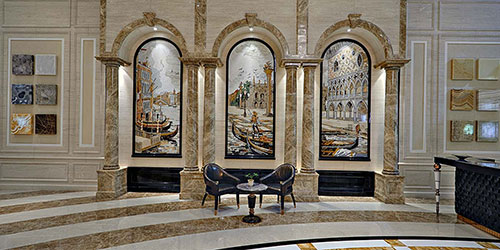
In Islamic architecture, Oracle Grey marble flooring and mosaics turned mosques and palaces into gardens of geometry; Victory Monument, Italy and the Sheikh Zayed Mosque in Abu Dhabi stand as breathtaking examples.
In China, Lasa White marble from Fangshan quarries framed imperial altars and palace stairways, reserved for the divine right of emperors.
Each civilisation saw marble differently, as a vessel of faith, an emblem of rule, a metaphor for purity or permanence.
4. Craft, Trade, and Transformation
Behind the monuments and masterpieces were generations of artisans and traders who made marble immortal. The quarries of Carrara, Paros, Makrana, and Proconnesus became cultural epicentres, places where geology met genius.
From the Mediterranean to South Asia, marble moved through ancient trade routes, exchanged, revered, and reshaped across borders.
This exchange wasn’t just commercial; it was creative. The artistry of polishing, carving, and inlay evolved with every civilisation that adopted it, turning marble for home and temple into one of the world’s earliest global art forms.
.jpg)
5. The Modern Continuum: From Ruins to Residences
Centuries later, marble continues to define the way we build and beautify, but its expression has evolved. Once celebrated in its purest white, as seen in Carrara or Makrana, marble today embraces a broader, more expressive spectrum of tone and texture.
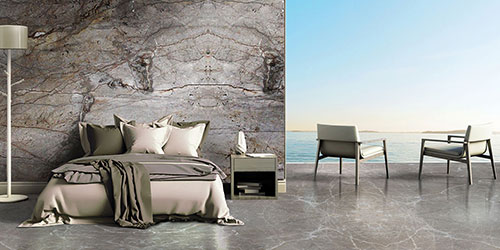
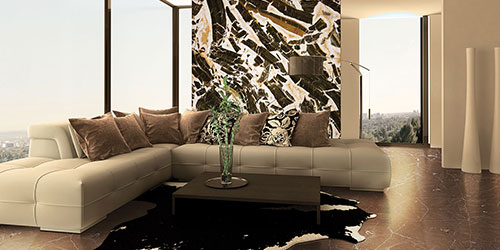
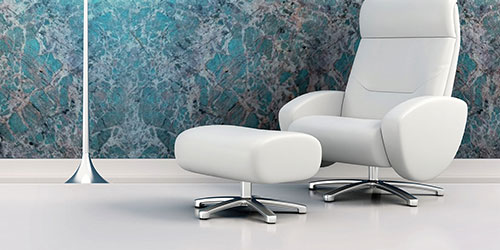
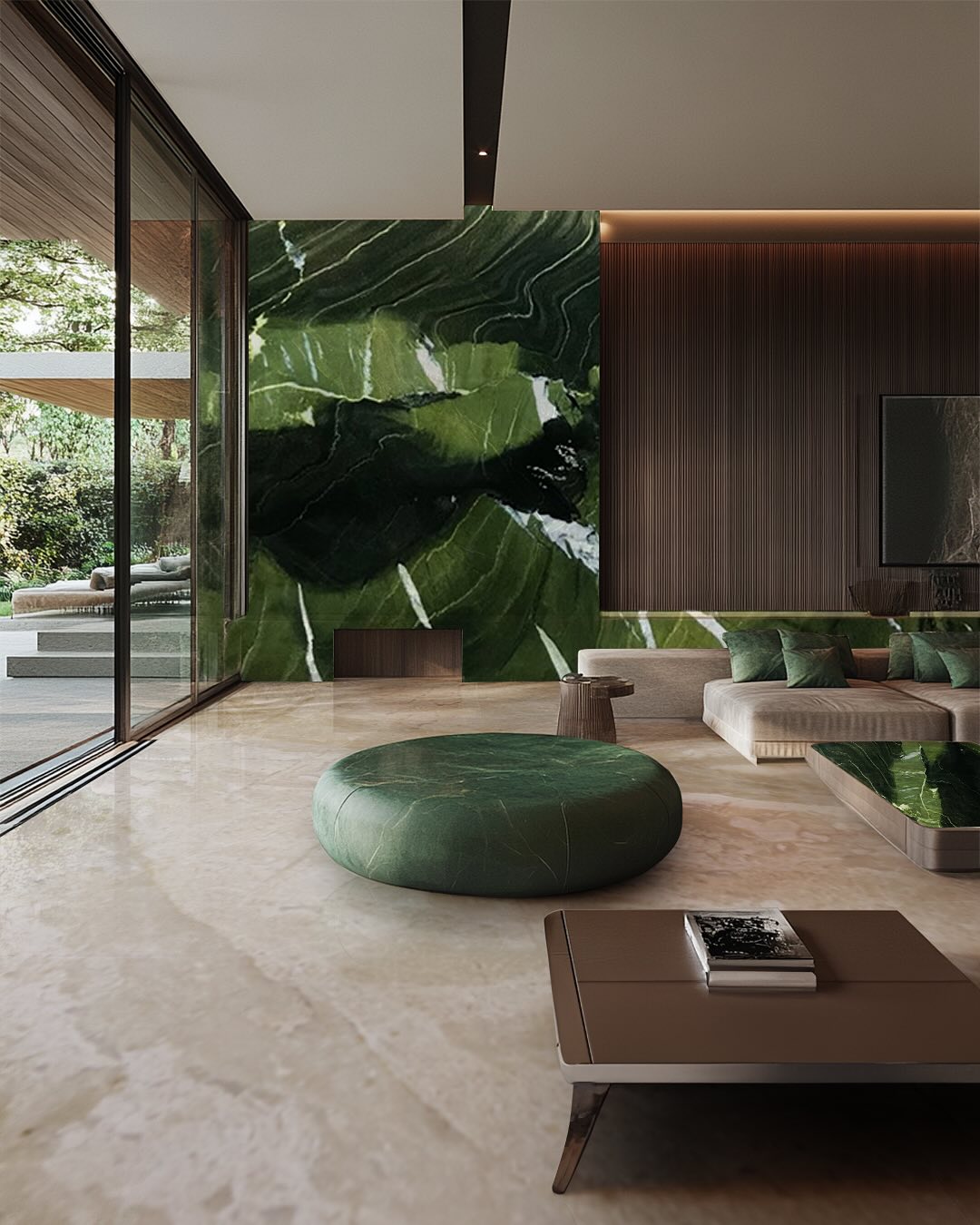
Designers now reinterpret tradition through colour and character, blending classical restraint with contemporary vibrancy With a Wide Variety options Amalfi Grey brings a sense of calm modernity, while Classic Beige evokes warmth and balance. Avocado and Sodalite Blue infuse interiors with bold sophistication and depth. The revered Statuario, still luminous and graceful, continues to anchor spaces in quiet luxury.
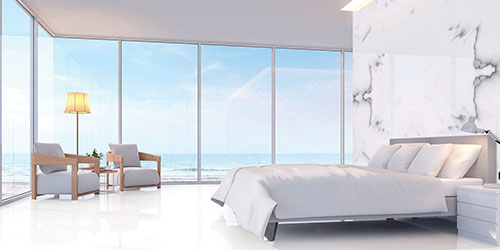
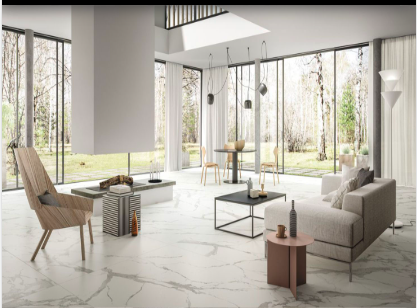
What was once used to honour gods and kings now shapes homes and spaces that celebrate individuality. From white marble flooring that reflects timeless serenity to richly toned statement walls that command attention, marble today bridges centuries of craft, connecting the legacy of ancient artisans to the vision of modern design.
6. What Marble Teaches Us About Civilisation
To trace marble’s journey is to trace our own, the evolution of our faith, artistry, and sense of belonging.
.jpg)
From sacred shrines to modern homes, marble has reflected how we see ourselves: flawed yet eternal, fragile yet unyielding. Every quarry, every monument, every fragment tells a chapter of humanity’s ongoing dialogue with beauty.
Marble has outlasted empires, carried faith across continents, and has immortalised human intention. It reminds us that civilisation is not only remembered through words or wars, but through what we choose to build and how we build it.
In every polished surface lies the echo of an ancient hand, telling the story of how stone shaped civilisation.


Sitemap
- Newsletter
- Catalouge
- Gallery
- Legal & Privacy
- Career
- Share
- Media
- News & Events
- Press Coverage
- Blogs
- Awards
- Signature
- Bianco Snow White
- Bronze Amani
- Afyon White
- Jasper Gold
- Kilimanjaro white
- Mexican Gold
- Statuario
- Pristine
- Pink Michel Angelo
- Ariston white
- Bianco Covelano
- WHITE CHIANTE
- Carrara white
- Lilac White
- Blue o Bisuai
- Classique
- Royal Crema
- SARDANIYA BEIGE
- Perlato Royal
- Extra Light
- Imperial Beige
- Light Emperador
- De Martino
- Virtual Applicator
- Kitchen
- Bathroom
- Bedroom
- Clientele
- Clients
- Testimonial
- Melange
- Sequia Brown
- Amazing silver
- Pisato
- Enigma
- Metal Rust
- Moroccan Black
- Nsl Black
- Umber
- BEIGE TRAVERTINO
- TITANIUM TRAVERTINO
- SILVER TRAVERTINO
- Exotica
- Azul Pink
- Azul Macaubas
- Azul Skyline
- Opera
- Zade Green onyx
- zebra onyx
- Sunrise Onyx
- Bejewel
- Smokey Quartz
- Rose Quartz
- Red Agate
- Avant Garde
- maxican wave
- Matrix hydro finish
- Bianco Moon Face
