





Quartz Kitchen Countertops: Types, Pros, Cons, Maintenance Tips and Costs
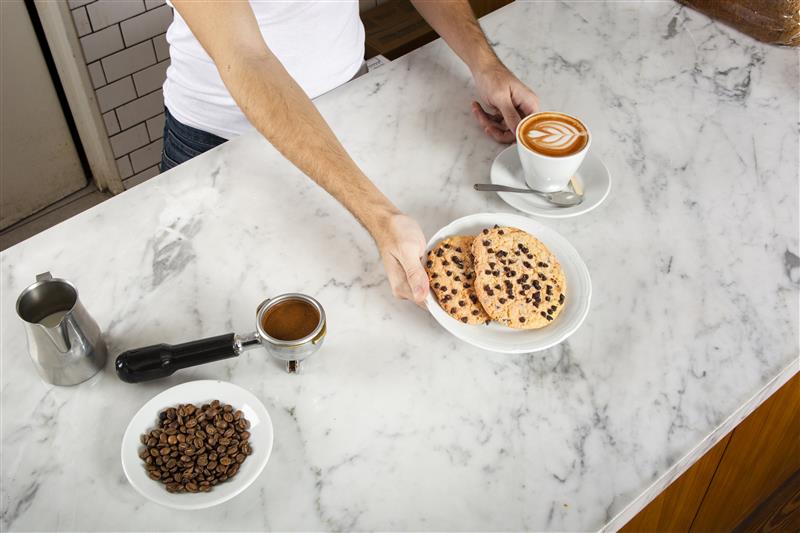
A kitchen countertop plays a key role in both functionality and appearance. It is a surface that is used daily and must be durable, hygienic, and visually appealing. Quartz countertops have become a preferred choice in modern kitchens due to their strength, low maintenance, and premium finish.
This detailed guide explains everything you need to know about quartz kitchen countertops, including types, benefits, drawbacks, maintenance requirements, and pricing in India.
What Is Quartz Stone?
Quartz is a naturally occurring mineral composed mainly of silica. In kitchen applications, engineered quartz stone is used. Crushed quartz particles are combined with high-quality resins and pigments to create solid slabs with consistent colour and texture.
Because quartz countertops are engineered, they are non-porous, strong, and highly durable. The final appearance of a quartz slab depends on the size of the quartz particles, resin quality, and finishing process used during manufacturing.
Quartz Kitchen Countertop Prices in India
- The cost of quartz countertops in India depends on brand, slab size, thickness, design, and finish.
- Unbranded quartz slabs generally range between ₹25,000 and ₹30,000 per full slab.
- Branded quartz slabs typically cost between ₹45,000 and ₹60,000 per slab.
- Premium quartz brands start from ₹85,000 and above, depending on design and quality.
- Prices may vary based on location, availability, and installation requirements.
Types of Quartz Kitchen Countertops
- Quartz kitchen countertops are mainly categorised based on slab thickness.
- Quartz slabs with 15 mm thickness offer a sleek and contemporary appearance and are suitable for light to moderate kitchen use.
- Quartz slabs with 20 mm thickness provide better strength and durability and are recommended for long-term and heavy kitchen usage.
- Some premium quartz brands also offer thinner slabs for modern designs, but thicker slabs generally deliver better performance and longevity.
Advantages of Quartz Kitchen Countertops
Quartz countertops are known for their practical and aesthetic benefits.
- They are highly durable and resistant to daily wear and tear.
- They are non-porous, helping prevent water absorption, stains, and bacterial growth.
- Quartz surfaces do not require periodic sealing like natural stones.
- Routine cleaning is easy using mild soap, water, and a soft cloth.
- Quartz countertops are available in a wide range of colours, patterns, and finishes.
- The surface maintains uniform colour and texture throughout the slab.
Disadvantages of Quartz Countertops
- Quartz countertops are not completely heat-resistant, and direct contact with hot utensils should be avoided.
- Long-term exposure to direct sunlight may cause slight colour changes.
- Quartz countertops are generally more expensive than granite.
- Extra care is required when placing high-heat kitchen appliances on the surface.
Quartz Countertops vs Granite Countertops
Granite has traditionally been popular in Indian kitchens, while quartz countertops are now widely preferred in modern interiors.
Quartz countertops are non-porous, stain-resistant, and low maintenance, offering consistent colour and design.
Granite is naturally heat-resistant and suitable for heavy cooking but is porous and requires regular sealing.
Although quartz countertops are usually costlier than granite, they provide long-term durability with minimal maintenance, making them a practical investment.
How to Choose the Right Quartz Countertop
Always select quartz countertops from a reputed and reliable supplier.
Choose slabs with 20 mm thickness for improved durability and strength.
Select colours and patterns that complement kitchen cabinets and flooring.
Use heat-resistant pads or trivets to protect the surface.
Ensure professional installation for long-term performance.
Important Facts About Quartz Countertops
- Quartz countertops are not made from pure quartz alone and may include quartz, granite, or marble particles bonded with resin.
- Quartz is considered eco-friendly, as it uses recycled stone waste.
- Due to its strength and durability, quartz is widely used in commercial spaces such as malls and airports.
How to Maintain Quartz Kitchen Countertops
- Clean quartz countertops regularly using mild soap and water.
- Avoid harsh chemicals and high-alkaline cleaners.
- Use chopping boards to prevent scratches.
- Always place hot pads or trivets under hot utensils and appliances.
- Wipe spills such as tea, coffee, lemon juice, or wine immediately.
Final Thoughts
Quartz kitchen countertops offer an excellent balance of durability, hygiene, and premium appearance. With proper care, they can enhance both functionality and aesthetics for many years. For homeowners looking for a modern, reliable, and low-maintenance countertop solution, quartz remains a strong choice.
Explore a wide range of high-quality quartz countertops at A Class Marble to find the perfect option for your kitchen.
Frequently Asked Questions About Quartz Countertops
Is quartz more expensive than granite?
Yes, quartz countertops are generally more expensive than granite because they are engineered to be non-porous, antibacterial, and highly durable.
What is the main drawback of quartz countertops?
Quartz countertops are not fully heat-resistant. Direct contact with very hot utensils can damage the resin surface.
Can hot pans be placed on quartz countertops?
Hot pans should not be placed directly on quartz surfaces. Always use heat-resistant pads or trivets.
Can kitchen appliances damage quartz countertops?
Yes, appliances such as air fryers and induction cooktops can damage quartz if placed directly on the surface without protection.
Are quartz countertops suitable for Indian kitchens?
Yes, quartz countertops are suitable for Indian kitchens. They are strong, stain-resistant, and easy to maintain with proper heat protection.
Do quartz countertops require sealing?
No, quartz countertops do not require sealing as they are non-porous.
How long do quartz kitchen countertops last?
With proper care, quartz countertops can last for many years without losing strength or appearance.


Sitemap
- Newsletter
- Catalouge
- Gallery
- Legal & Privacy
- Career
- Share
- Media
- News & Events
- Press Coverage
- Blogs
- Awards
- Signature
- Bianco Snow White
- Bronze Amani
- Afyon White
- Jasper Gold
- Kilimanjaro white
- Mexican Gold
- Statuario
- Pristine
- Pink Michel Angelo
- Ariston white
- Bianco Covelano
- WHITE CHIANTE
- Carrara white
- Lilac White
- Blue o Bisuai
- Classique
- Royal Crema
- SARDANIYA BEIGE
- Perlato Royal
- Extra Light
- Imperial Beige
- Light Emperador
- De Martino
- Virtual Applicator
- Kitchen
- Bathroom
- Bedroom
- Clientele
- Clients
- Testimonial
- Melange
- Sequia Brown
- Amazing silver
- Pisato
- Enigma
- Metal Rust
- Moroccan Black
- Nsl Black
- Umber
- BEIGE TRAVERTINO
- TITANIUM TRAVERTINO
- SILVER TRAVERTINO
- Exotica
- Azul Pink
- Azul Macaubas
- Azul Skyline
- Opera
- Zade Green onyx
- zebra onyx
- Sunrise Onyx
- Bejewel
- Smokey Quartz
- Rose Quartz
- Red Agate
- Avant Garde
- maxican wave
- Matrix hydro finish
- Bianco Moon Face
