


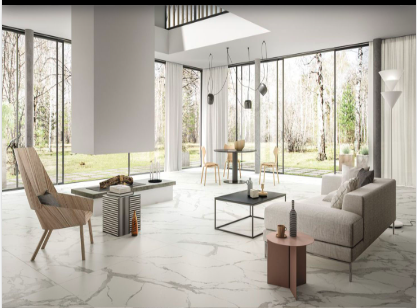


Why Longevity Has Become the New Measure of Luxury
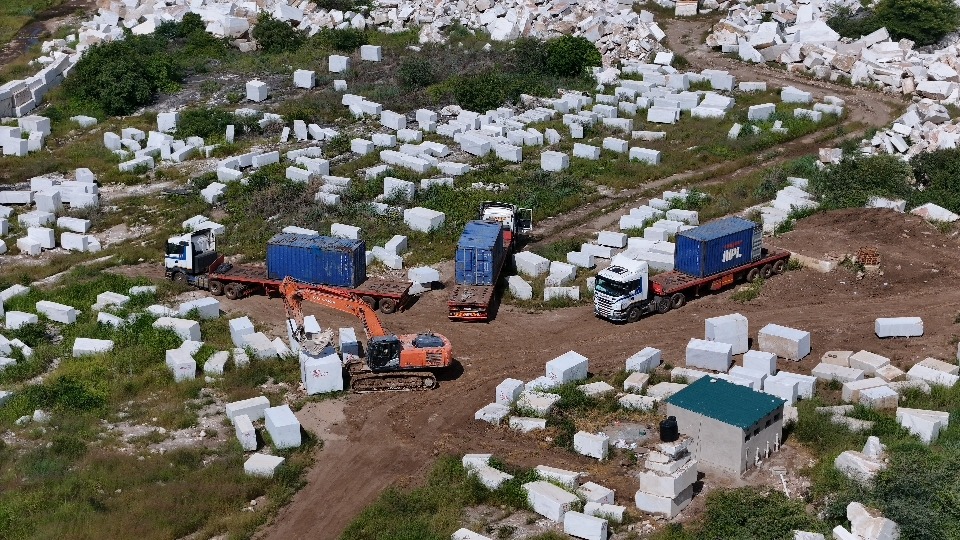
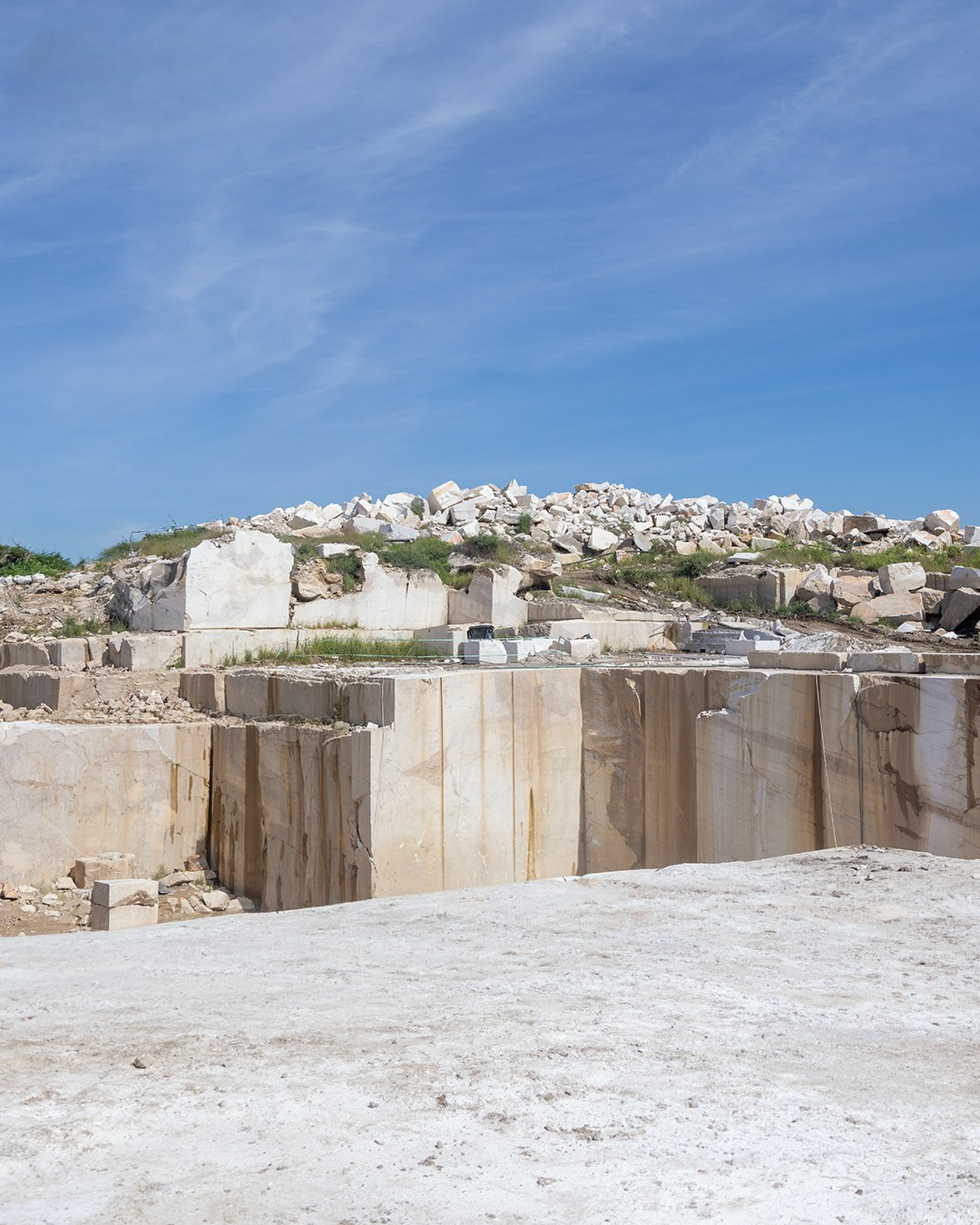
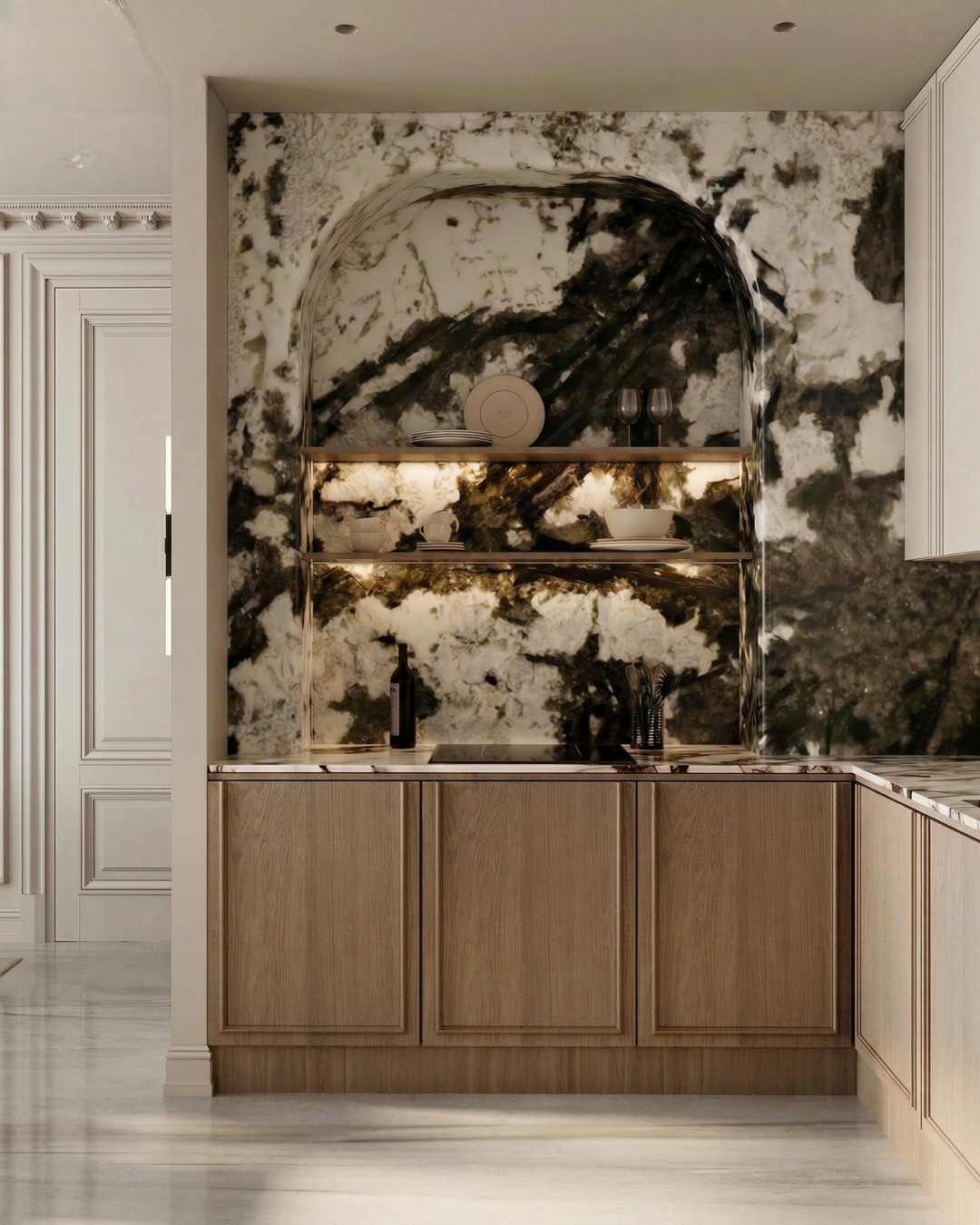
For a long time, the value of a premium interior was judged almost entirely by first impressions, and a home was considered luxurious if it looked expensive the moment you walked in. That definition is shifting, and Indian homeowners are increasingly judging their spaces by how well they age rather than how they photograph on day one. Natural stone sits at the centre of this change, since it is one of the few materials that can promise both immediate visual impact and genuine longevity, and buyers are beginning to choose it with that longer horizon in mind.
From a Decorative Choice to a Structural Investment
Marble was once treated the way furniture is treated, selected for how it suited a room at a particular moment, and replaced when tastes moved on. That approach no longer holds, because homeowners and architects alike are now approaching Italian Marble and other imported marble in India as a structural investment rather than a passing finish. A slab of white Italian marble laid today is expected to still look considered and still perform structurally two or three decades from now, and that expectation changes everything about how it is sourced, cut, and specified.

This is also why the conversation has moved beyond colour and pattern alone. Buyers want to understand the density of the stone, the quality of its finish, and the rigour behind its processing, since these are the factors that determine whether Italian marble flooring will still hold its polish and its structural integrity after years of daily use, rather than developing wear that undermines the very luxury it was chosen to express.

Stepping Away from Synthetic, High-Carbon Alternatives
Alongside this shift toward longevity, there is a parallel and equally deliberate move away from synthetic, high-carbon surfaces that mimic the look of stone without carrying any of its substance. Manufactured alternatives can replicate a pattern, but they cannot replicate the geological depth of real stone, nor can they offer the same reassurance about how a surface will age, and increasingly, buyers notice the difference. Best Italian marble varieties, such as the ones available at A-Class Marble, are chosen precisely because they carry their own natural history, and because ethically sourced stone answers a question that synthetic materials cannot: where did this actually come from, and what did it cost the environment to make it?
Where Premiumisation Meets Environmental Responsibility
What makes this shift genuinely interesting is that it refuses to treat luxury and sustainability as opposing priorities, and instead positions them as two sides of the same decision. Architects working on residential projects are increasingly unwilling to compromise between the two, and that pressure is reshaping how marble companies in India approach sourcing, processing, and quality control from the outset. A stone that lasts for generations reduces the need for replacement, and that reduction in waste is itself a form of environmental performance, distinct from any claim made at the point of sale.

What This Means When Choosing Stone Today
For anyone evaluating options, from a homeowner renovating a single kitchen to an architect designing a residential project, this shift raises a few practical questions worth asking before anything is finalised: where has the stone been quarried, what processing standards has it gone through, and is the price of imported marble reflective of the material's actual quality rather than simply its country of origin? Working with an established and reliable marble supplier matters here, because sourcing authority and technical rigour are what separate a stone that merely looks premium from one that performs like it for decades.
Choosing stone today is no longer a decision confined to the next renovation cycle, but one that quietly shapes how a home is valued, maintained, and lived in for years afterwards, and that is precisely why longevity has become the new language of premium design.


Sitemap
- Newsletter
- Catalouge
- Gallery
- Legal & Privacy
- Career
- Share
- Media
- News & Events
- Press Coverage
- Blogs
- Awards
- Signature
- Bianco Snow White
- Bronze Amani
- Afyon White
- Jasper Gold
- Kilimanjaro white
- Mexican Gold
- Statuario
- Pristine
- Pink Michel Angelo
- Ariston white
- Bianco Covelano
- WHITE CHIANTE
- Carrara white
- Lilac White
- Blue o Bisuai
- Classique
- Royal Crema
- SARDANIYA BEIGE
- Perlato Royal
- Extra Light
- Imperial Beige
- Light Emperador
- De Martino
- Virtual Applicator
- Kitchen
- Bathroom
- Bedroom
- Clientele
- Clients
- Testimonial
- Melange
- Sequia Brown
- Amazing silver
- Pisato
- Enigma
- Metal Rust
- Moroccan Black
- Nsl Black
- Umber
- BEIGE TRAVERTINO
- TITANIUM TRAVERTINO
- SILVER TRAVERTINO
- Exotica
- Azul Pink
- Azul Macaubas
- Azul Skyline
- Opera
- Zade Green onyx
- zebra onyx
- Sunrise Onyx
- Bejewel
- Smokey Quartz
- Rose Quartz
- Red Agate
- Avant Garde
- maxican wave
- Matrix hydro finish
- Bianco Moon Face
