







8 Unknown and Interesting Facts About Tan Brown Granite
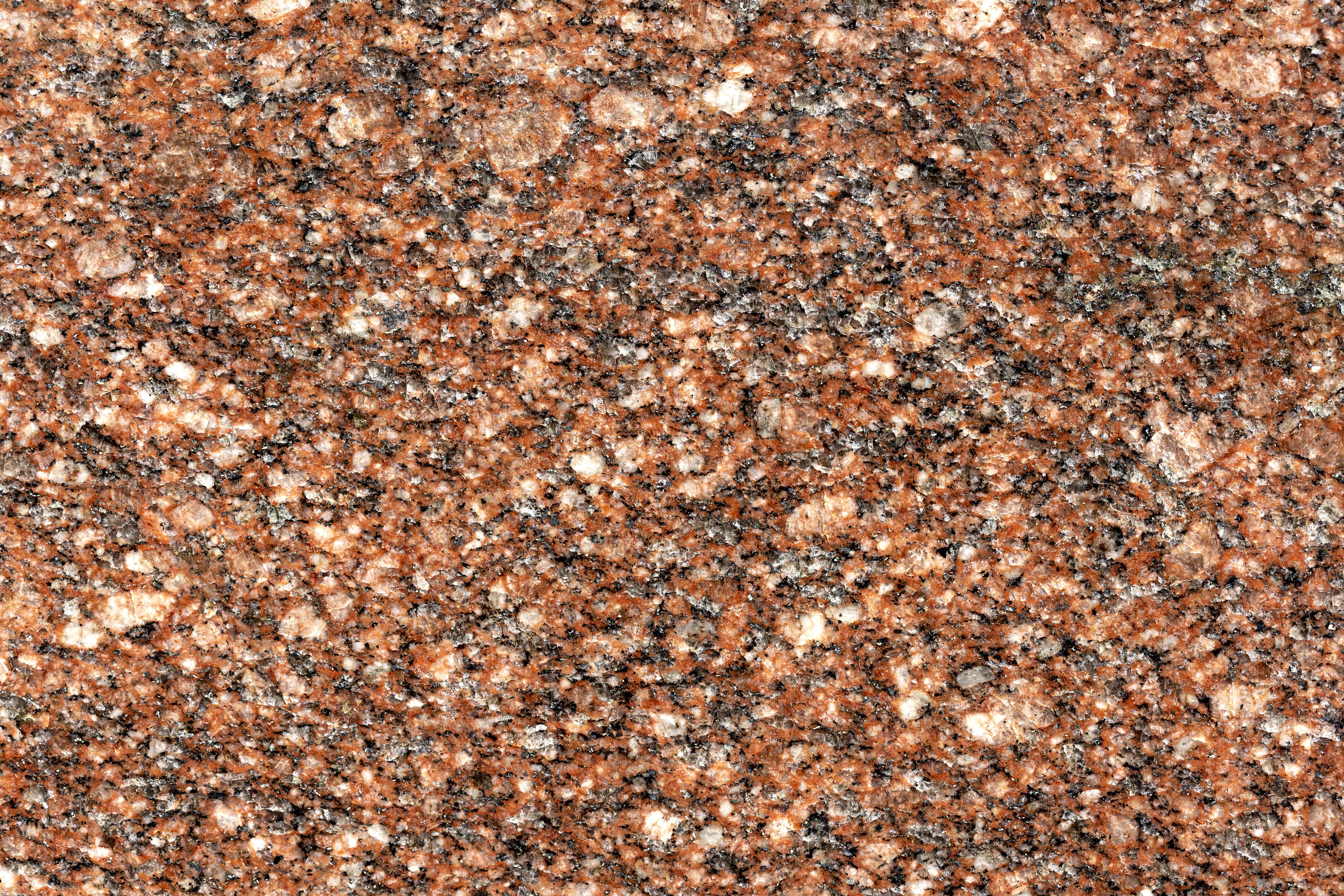
Tan Brown Granite is one of the most admired natural stones in India and abroad—favored for its deep earthy tones, timeless beauty, and unmatched durability. Quarried primarily from Karimnagar in South India, this granite has become a staple material in kitchens, bathrooms, flooring, wall cladding, and luxury interiors worldwide.
While many homeowners know Tan Brown Granite for its strength and elegant patterns, there is much more to this beautiful stone than meets the eye.
Here are 8 unknown and fascinating facts that will deepen your appreciation for this iconic granite.
1. Tan Brown Granite Is Made of a Unique Blend of Minerals
Like most granite, Tan Brown is an igneous rock formed from slowly cooled magma. What makes its appearance special is the combination and percentage of minerals inside:
- Quartz (20–60%) – Gives hardness and subtle shine
- Feldspar (10–65%) – Adds brown and tan tones
- Mica & Amphiboles – Create the dark patches and sparkling crystals
This mineral composition is what creates Tan Brown’s distinct pattern—deep brown and black background with coppery, reddish-brown flecks.
Interesting fact:
You will never find two slabs that look exactly alike. Each slab contains naturally occurring mineral variations, adding to its charm and exclusivity.
2. The Surface Isn’t Naturally Smooth—It Has Natural Pits and Fissures
Many homeowners assume granite forms with a perfectly smooth surface, but that’s not the case.
Tan Brown Granite naturally contains:
- Pits – Tiny spaces formed by biotite minerals
- Fissures – Thin, hairline lines caused during the stone’s geological formation
These are not cracks and do not affect durability. Instead, they represent the stone’s natural beauty and authenticity.
Fabricators sometimes fill pits with resin to achieve a more even finish, but fissures remain visible as part of the natural stone.
3. Tan Brown Granite Is Slightly Radioactive — But Completely Safe
Surprisingly, granite contains trace amounts of uranium, and Tan Brown is no exception. As uranium decays, it emits radon gas. However:
- The amount present in Tan Brown Granite is extremely low
- It’s less radioactive than regular garden soil
- International safety tests certify it as 100% safe for home use
This natural radioactivity poses no health risk, making Tan Brown Granite perfectly suitable for kitchens, bathrooms, and even children’s rooms.
4. It Is Incredibly Hard — Harder Than Most Kitchen Tools
Tan Brown Granite ranks 6–7 on the Mohs hardness scale, making it one of the toughest countertop materials.
What does this mean for homeowners?
- You can chop vegetables directly on the surface (but it will dull your knives).
- It can handle hot pots and pans without burning or scorching.
- It resists scratches, chips, and daily wear better than most stones.
However, granite is not completely indestructible. Mica and feldspar areas are more heat-sensitive, so it’s still wise to use a trivet for extremely hot cookware.
5. Tan Brown Granite Is Millions of Years Old
One of the oldest natural stones used in modern architecture, Tan Brown Granite dates back approximately 300 million years.
This age gives the stone:
- High geological stability
- Unique crystalline patterns
- Long-term weather resistance
Many ancient structures—including pyramids and temples—were built using granite due to this enduring strength.
6. It Requires Sealing (Despite Being Highly Durable)
Granite is naturally porous. Even though Tan Brown Granite is relatively dense, sealing is essential to prevent:
- Moisture absorption
- Stains from oil, wine, or coffee
- Bacterial growth
- Dark patches over time
When sealed properly, water will form beads on the surface instead of soaking in. Depending on usage, sealing is recommended every 1–3 years.
Pro tip: Do the “water drop test.”
If the water spreads or darkens the surface, it’s time to reseal.
7. It Can Break—but Only Under Extreme Force
Although granite is extremely strong, it is not unbreakable.
Tan Brown Granite can chip or crack if:
- A very heavy object falls on an edge
- Extreme force impacts the surface
- Installation is done incorrectly
However, such damage is rare and typically occurs only due to improper handling. Once installed professionally, Tan Brown Granite lasts for decades.
8. It’s One of the Most Versatile Stones for Interior & Exterior Use
Tan Brown Granite’s deep colors and durable structure make it suitable for nearly any application:
Popular Uses:
- Kitchen Countertops
- Bathroom Vanity Tops
- Flooring (interior & exterior)
- Staircases
- Wall Cladding
- Backsplashes
- Fireplace Surrounds
- Outdoor Kitchens
- Commercial Spaces
It pairs beautifully with:
- White, beige, grey, and black cabinets
- Stainless steel appliance
- Modern or traditional interiors
Its warm undertones and consistent patterning make it a go-to option for designers who want both luxury and low maintenance.
Conclusion
Tan Brown Granite is far more than a beautiful stone. It's a natural wonder shaped over millions of years, consisting of rare minerals, unmatched hardness, and stunning color contrast. With proper sealing and care, it becomes a timeless addition to any home.
Whether you're upgrading your kitchen, enhancing your bathroom, or designing a luxurious commercial space, Tan Brown Granite offers durability, elegance, and long-term value. No wonder it remains one of the most popular and trusted granite choices worldwide.
Also Read: Top 5 Trending Granite Colors to Consider
Top 10 FAQs About Tan Brown Granite
1. What is the price of Tan Brown Granite in India?
Tan Brown Granite typically costs ₹70–₹145 per sq. ft, depending on quality, thickness, and finish.
2. Is Tan Brown Granite suitable for kitchen countertops?
Absolutely. It is heat-resistant, scratch-resistant, and ideal for Indian cooking conditions.
3. Does Tan Brown Granite need sealing?
Yes. Seal it every 1–3 years to prevent moisture and stains.
4. What cabinet colors pair well with Tan Brown Granite?
White, beige, light brown, cream, and even deep charcoal look excellent.
5. Does Tan Brown Granite stain easily?
Not when sealed. Unsealed granite can absorb oils and liquids.
6. Can I use Tan Brown Granite outdoors?
Yes. It withstands extreme weather, making it great for outdoor kitchens and patios.
7. Is it true that granite is radioactive?
Granite has natural radioactivity, but the levels are minimal and completely safe.
8. Can Tan Brown Granite crack?
Only under extreme force or improper installation. It is highly durable in everyday use.
9. How old is Tan Brown Granite?
Approximately 300 million years old—one of the oldest stones used in modern homes.
10. How do I clean Tan Brown Granite daily?
Use mild dish soap and warm water. Avoid acidic cleaners like vinegar or lemon.


Sitemap
- Newsletter
- Catalouge
- Gallery
- Legal & Privacy
- Career
- Share
- Media
- News & Events
- Press Coverage
- Blogs
- Awards
- Signature
- Bianco Snow White
- Bronze Amani
- Afyon White
- Jasper Gold
- Kilimanjaro white
- Mexican Gold
- Statuario
- Pristine
- Pink Michel Angelo
- Ariston white
- Bianco Covelano
- WHITE CHIANTE
- Carrara white
- Lilac White
- Blue o Bisuai
- Classique
- Royal Crema
- SARDANIYA BEIGE
- Perlato Royal
- Extra Light
- Imperial Beige
- Light Emperador
- De Martino
- Virtual Applicator
- Kitchen
- Bathroom
- Bedroom
- Clientele
- Clients
- Testimonial
- Melange
- Sequia Brown
- Amazing silver
- Pisato
- Enigma
- Metal Rust
- Moroccan Black
- Nsl Black
- Umber
- BEIGE TRAVERTINO
- TITANIUM TRAVERTINO
- SILVER TRAVERTINO
- Exotica
- Azul Pink
- Azul Macaubas
- Azul Skyline
- Opera
- Zade Green onyx
- zebra onyx
- Sunrise Onyx
- Bejewel
- Smokey Quartz
- Rose Quartz
- Red Agate
- Avant Garde
- maxican wave
- Matrix hydro finish
- Bianco Moon Face
